Cats have been by our side for thousands of years, and their history is as fascinating as they are mysterious. It all started over 9,000 years ago in the Middle East. As humans switched from wandering nomads to settled farmers, they began to attract rodents—enter the wild feline! These early cats were drawn to the food source, and a beautiful partnership began.
These ancient cats weren’t the fluffy companions we know today. They were more like the sleek, agile hunters we see in nature documentaries. Over time, they learned that being around humans meant lots of food (and way fewer snacks to hunt). Humans, in turn, appreciated their pest control skills. This mutual benefit laid the groundwork for our special bond.
It didn’t take long for cats to spread beyond their Middle Eastern roots. They caught a ride with traders and explorers, landing in places like Egypt. Ancient Egyptians adored cats, seeing them as symbols of grace and protection. They even believed that cats were connected to their gods. You could find statues, paintings, and even mummified cats in tombs—showing just how much they cherished these furry friends.
As cats traveled from culture to culture, they picked up different traits and legends along the way. Some were revered, while others were seen as mysterious or even bad omens. Despite that, their charm has always enraptured humans. Whether they were stalking in the shadows of temples or lounging in sunbeams, their presence has left a clear mark on human history.
Feline Myths and Legends
Cats have been enchanting humans for thousands of years, and with that magic comes a treasure trove of myths and legends. Ancient Egyptians worshipped these furry companions, believing they were the embodiment of gods. They saw cats as protectors, especially against pests like mice, but also as guardians of the afterlife. When a cat passed away, families would mourn, sometimes even mummifying them to ensure they had company in the next world.
In Norse folklore, cats had a special place too. The goddess Freyja, associated with love and beauty, had a chariot pulled by massive cats. People believed that having a cat in the home brought good fortune. It wasn't unusual for farmers to keep them around, hoping for blessings on their harvests.
Then there’s the tale of witches and their feline familiars. In medieval times, many believed that witches transformed into cats. This created a bit of a scare, leading to terrible consequences for many innocent cats and their owners. Today, we know these are just stories, but they reflect how closely intertwined cats were with human fears and beliefs.
In Japan, the legend of the “Maneki-neko” or “beckoning cat” is hugely popular. This cute kitty, often found in shops, is believed to bring good luck and prosperity. You can spot it with one paw raised, welcoming customers and fortune. This playful spirit shows how cats have inspired both artwork and hope across cultures.
The Rise of Domestic Cats
Domestic cats, those furry companions that we adore today, have a pretty fascinating history. It all started around 9,000 years ago in the Near East. Humans began to settle down and farm, which attracted rodents. Guess who showed up to help? That’s right, wild cats! They kept the grain stores pest-free, and before long, a unique bond formed between these clever hunters and the humans.
As people began to appreciate the cat's role in keeping their food safe, they started to welcome them into their homes. Cats were valued for their skills, and it wasn’t long before they became part of families. Ancient Egyptians loved cats so much that they even worshipped them, seeing them as symbols of grace and protection. You could find cats in homes, on artwork, and even in temples!
The journey of cats didn’t stop there. As civilization spread, so did the love for these furry friends. Cats traveled with traders and explorers, making their way to Europe and beyond. They adapted to different cultures, but their charm always won hearts. In medieval Europe, cats faced tough times, often linked to superstitions, but they managed to bounce back and reclaim their popularity.
Fast forward to today, and it’s hard to imagine life without cats. They’ve found their way into our homes, our hearts, and, let’s be honest, our social media feeds. From cuddly companions to internet sensations, domestic cats have truly made a name for themselves. It’s amazing to think about how these little hunters transformed from wild creatures to beloved pets over the centuries!
Cats in Modern Culture
Cats aren't just companions; they’ve woven themselves into our modern culture in some pretty cool ways. Whether it's memes, movies, or even social media influencers, these furry friends are everywhere, making us smile and feel all warm inside.
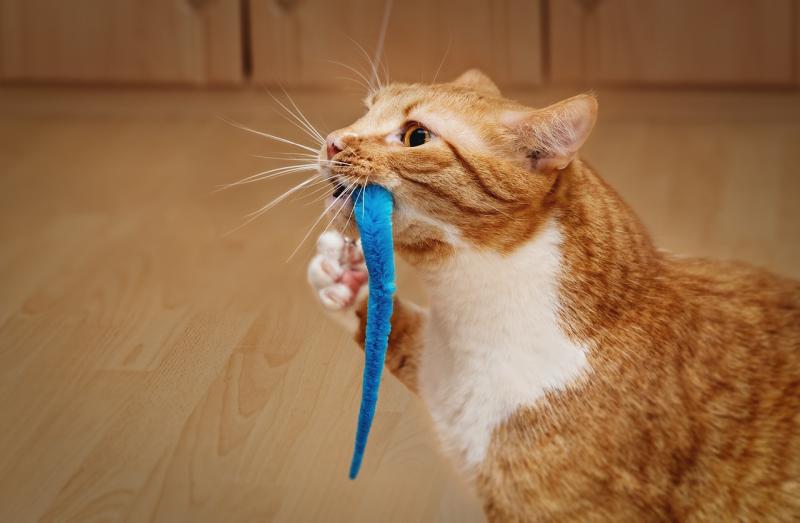
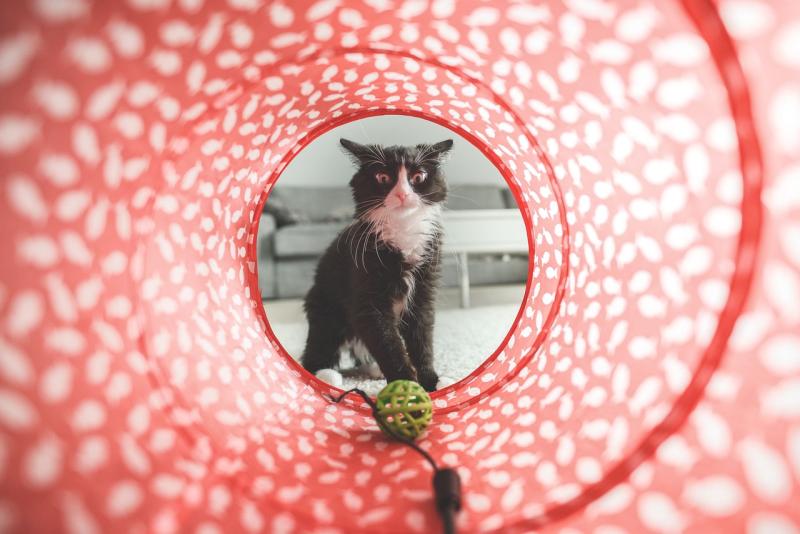
Think about all those funny cat videos that seem to pop up on your feed. From Grumpy Cat to the Keyboard Cat, these internet stars have become legends. People can’t get enough of their quirky antics, and it’s like they’ve turned into mini-celebrities. It’s amazing how a simple cat playing with a toy can brighten up someone’s day, right?
Then there are all those heartwarming movies featuring cats as the main characters. Flicks like “The Aristocats” and “A Street Cat Named Bob” show just how clever and charming cats can be. They capture our hearts and remind us why we love having these pets around. Plus, who wouldn’t want to see a heroic cat on screen?
Let's not forget about the rise of cat cafes! These cozy spots let you enjoy a cup of coffee while cuddling with adoptable kitties. It’s the perfect blend of relaxation and feline fun, giving people a chance to connect with cats in a way that's both casual and comforting. You can sip your drink while a fluffy friend curls up in your lap—sounds ideal, doesn’t it?
Cats continue to shape how we experience and celebrate life. From gifts and decorations to artwork inspired by our purring pals, their influence is everywhere. It's clear that cats have carved out a special place in our hearts and culture, and we wouldn't have it any other way.